If you’re new to VR marketing, then getting started can seem daunting. This quick guide will get you up to speed.
360 Immersion
One of the most powerful aspects of VR marketing is the ability to capture objects from the real world and move them online. Instantly, customers can be transported anywhere in the world to explore at their leisure. No need to worry about barriers of travel, access and availability.
360 degree photography is a well establish means to achieve this and remains popular today. Modern standards allow these files to work on a range of devices from PC to mobile.
More recently, immersive video has become another option. Here, visitors can explore 360 footage shot at 4K resolution with stereo audio. There are certainly some aspects to consider when using immersive video. These files are large and take time to download. And by its nature video usually has a focus point (eg, a person talking to the camera) and this can leave the rest of the view looking empty if not planned properly.
3D scanning is the latest concept in 360 immersion. This moves physical objects into the virtual world and, as we’ll see later, is ideal for creating avatars of brand ambassadors for use with mixed reality.
VR Experiences
Offering a VR experience alongside on-site events and open days provides a new option for customer engagement. Whereas 360 photography and video work well on a PC or laptop, the best experience comes from using a dedicated VR headset. Headsets provide a wide field of view and sensors that detect where the user is looking. As they look left to right, up and down, the images they see move correspondingly.
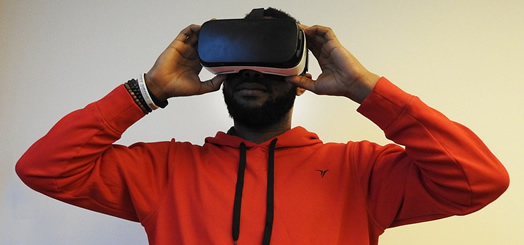
Although widely available, headsets are relatively niche outside of online gaming circles. Building immersive activities around VR headsets will create experiences which many people will be taking for the first time. Research by WebFX found that over 70% of post-millennials are interested in VR. And such experiences create a lot of word of mouth with over 80% of people telling others about it.
Mixed Reality
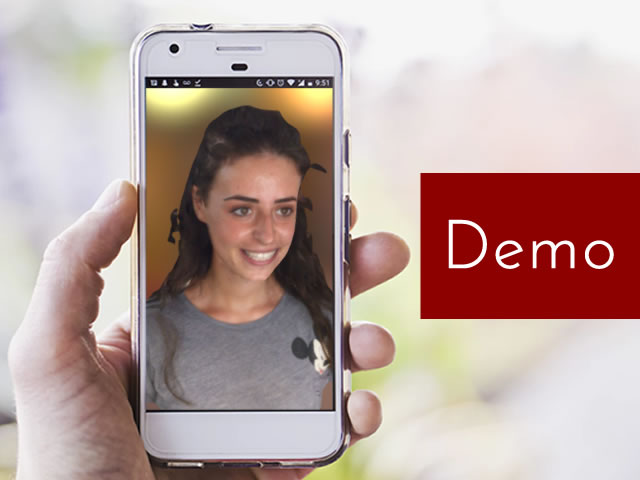
Mixed Reality requires nothing more than a mobile phone to blend together your printed and digital material. When the phone camera identifies a smart tag on your print it will overlay a digital message and link out to further information.
Combining mixed reality with other techniques like 360 immersion and VR experiences provides a wealth of opportunities. For example, a printed leaflet can introduce brand ambassadors as 3D avatars – essentially photo realistic 3D scans of people. On-site events can include smart tags with room signage. Imagine tapping the screen to see a video of a tour guide introducing your surroundings. Or viewing a drinks coaster while relaxing with a coffee to discover messages about fair trade products.
Linking your digital messages to a video is a great way to encourage engagement. And as your videos will be displayed on a mobile, consider filming in the ‘vertical’ (9:16 ratio) mode. In fact, research by Facebook and others points to increased engagement with vertical videos on mobiles compared with the more traditional landscape view.
Summary
So, deploying VR as part of your marketing effort doesn’t have to be complicated. Start by using 360 immersion to bring the physical world online. Use VR headsets at events to make this immersive experience more real. And use mixed reality to add digital elements to your printed material.
If you would like a demo or have any questions, then drop us a line.